HOME
PROJECTS CV ABOUT ME & CONTACT

GMTK Team Finder

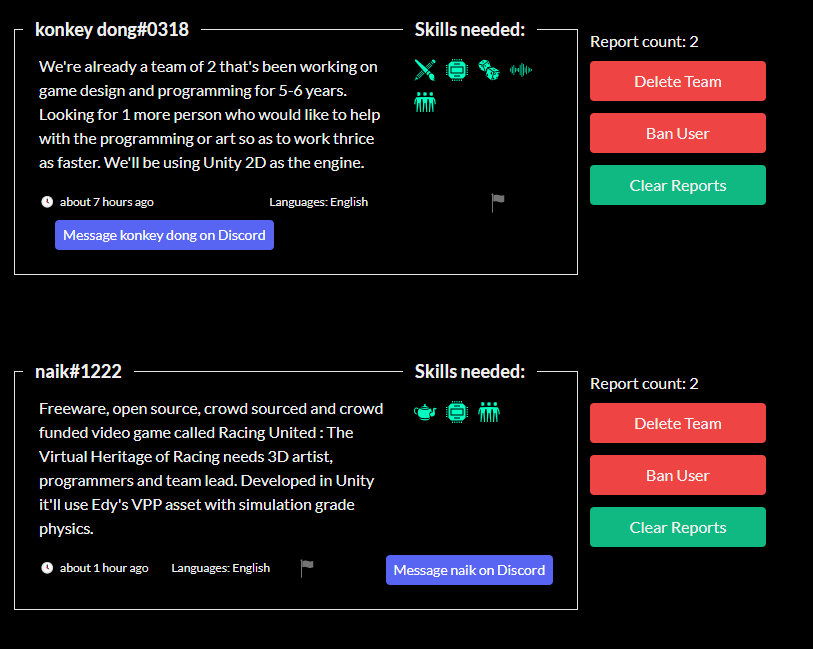
I got the chance to be the UX Lead on the GMTK Game Jam 2021 Team Finder, a website where game jam (game development contest) participants could find people to form a team. The application was created within 6 weeks with the help of a team of six people, with my responsibility being the front-end UI and UX design along with another team member. For the project I created mock-ups of various UI elements and then implemented them into the site. The site featured a team list, register, FAQ and admin page.

The Team Finder ended up with cirka 1400 created teams and almost 100,000 back-end queries. The site was well received by both jam organizers and users, and there are plans to further develop it for the 2022 game jam.

tobiaswidmark.se

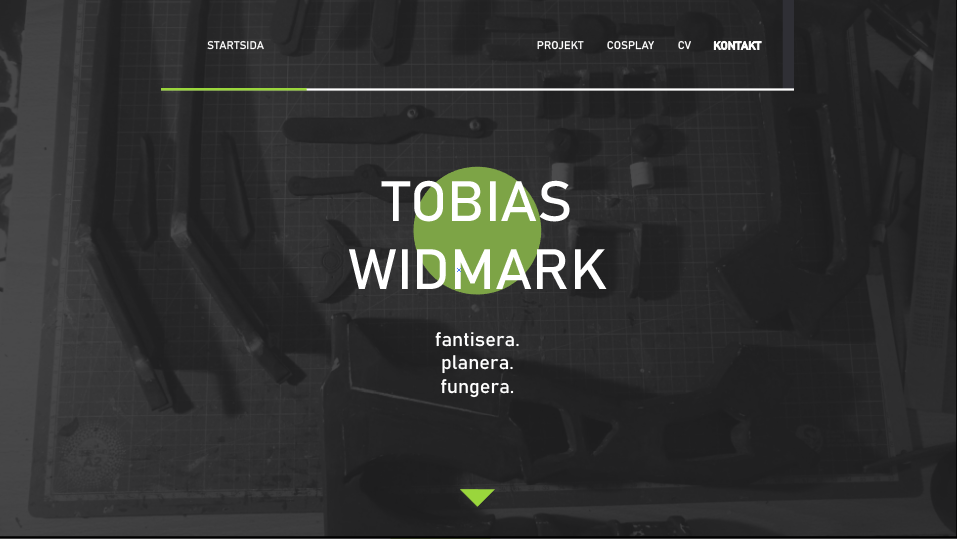
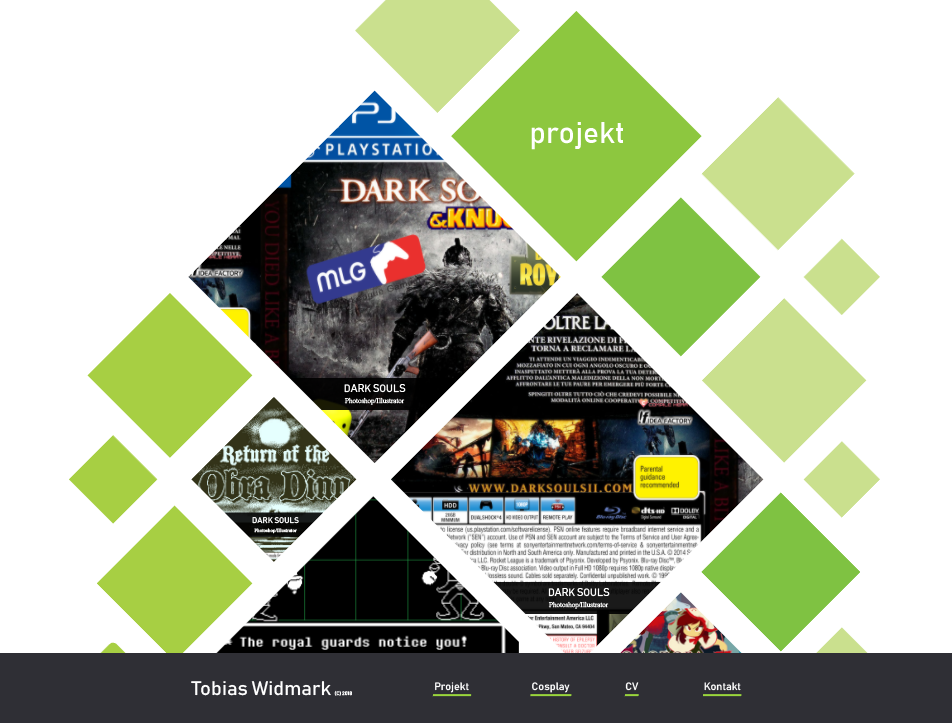
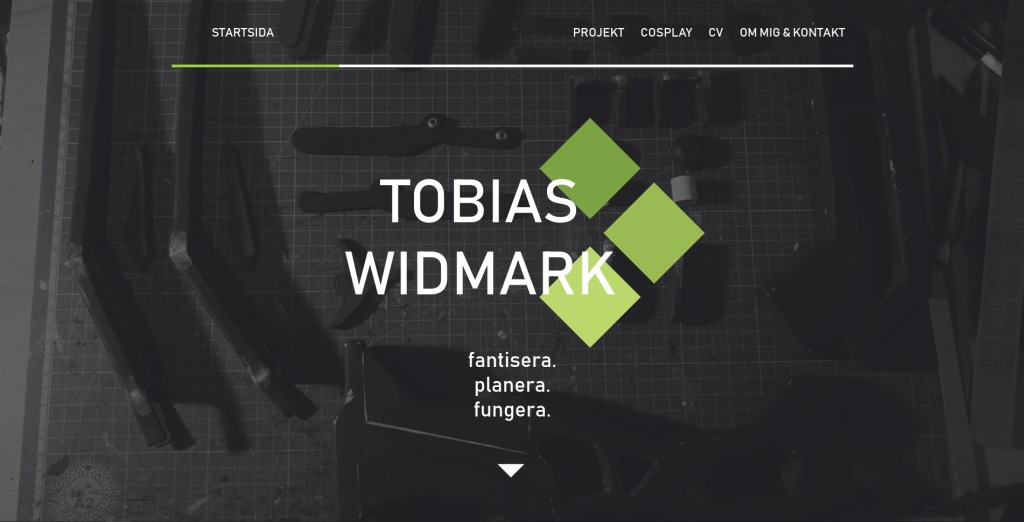
My portfolio website. The initial version was fully programmed and designed by myself, using a mock-up created in Illustrator and programmed using HTML, CSS and Javascript/Jquery. The second (current) version uses the same design but has been incorporated into WordPress as a heavily modified WP theme, allowing for easy updates on projects.

The design is inspired by portfolio sites like Ben Fearnley and a wish to have somewhere unique to put my projects. This gave me a great opportunity to expand on my HTML and CSS knowledge, as well as develop my visual design skills.

Cartography Game

Since I had studied extracurriculars during my university years, at the last quarter of 2020 I had the opportunity to only study at 50% without penalties. With the extra free time I solo-prototyped a game based on cartography as a way to hone my game design skills.

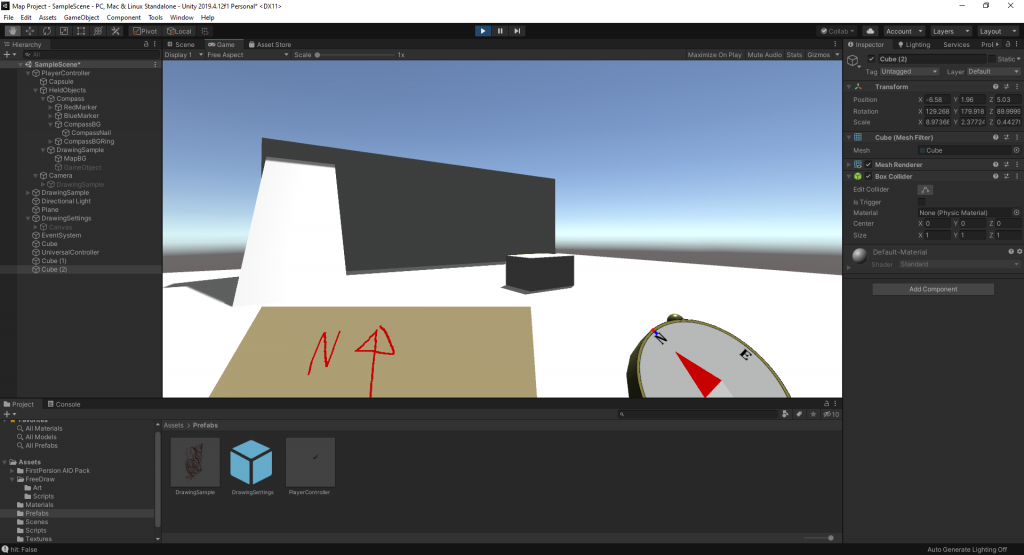
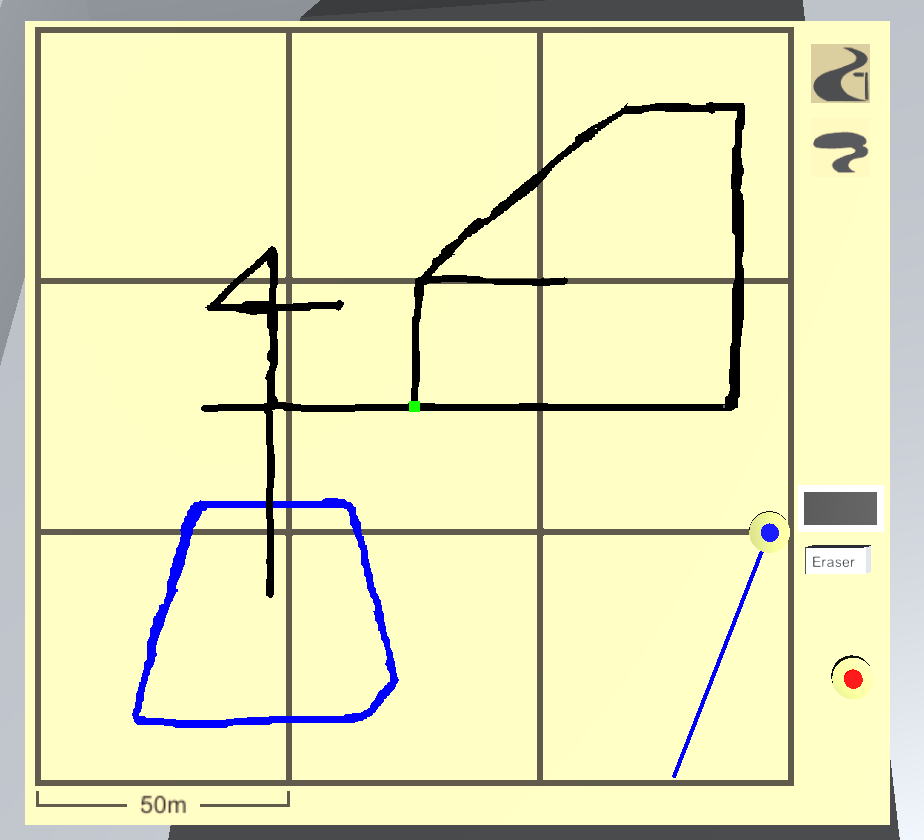
The basics behind “Map Project” relied on the concept of triangulation: by knowing two points on a map, you can use sight angles to determine the placement of other objects in the real world. The game tasked you with mapping out the roads and buildings of the surrounding area using a few known points of interest.

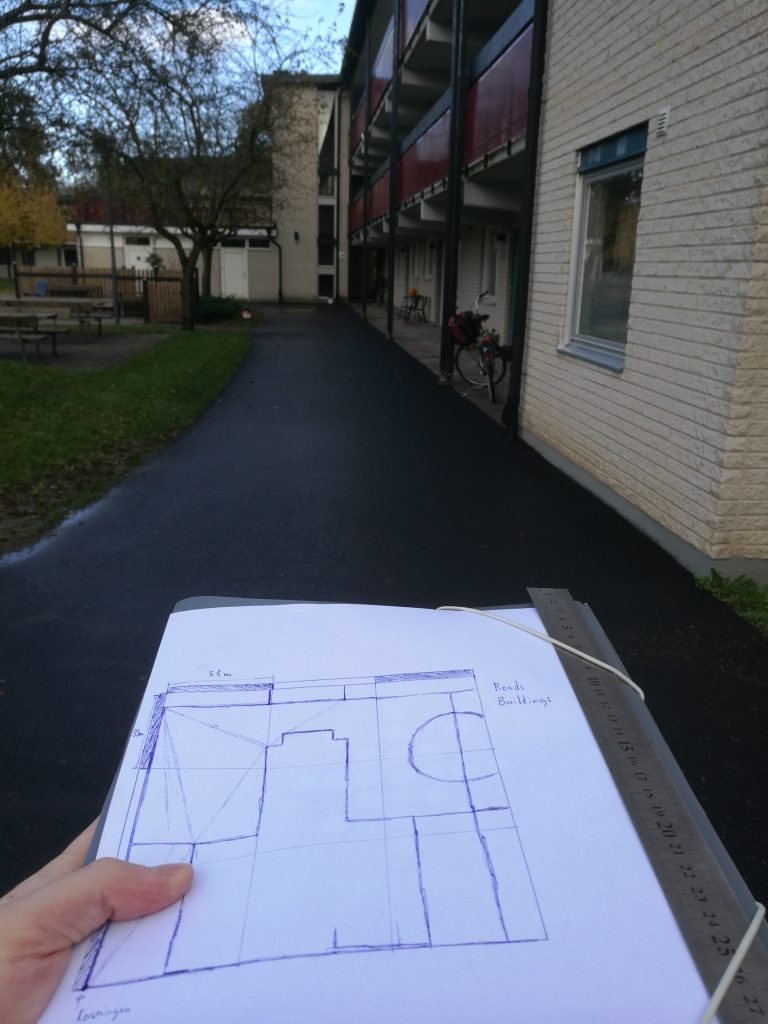
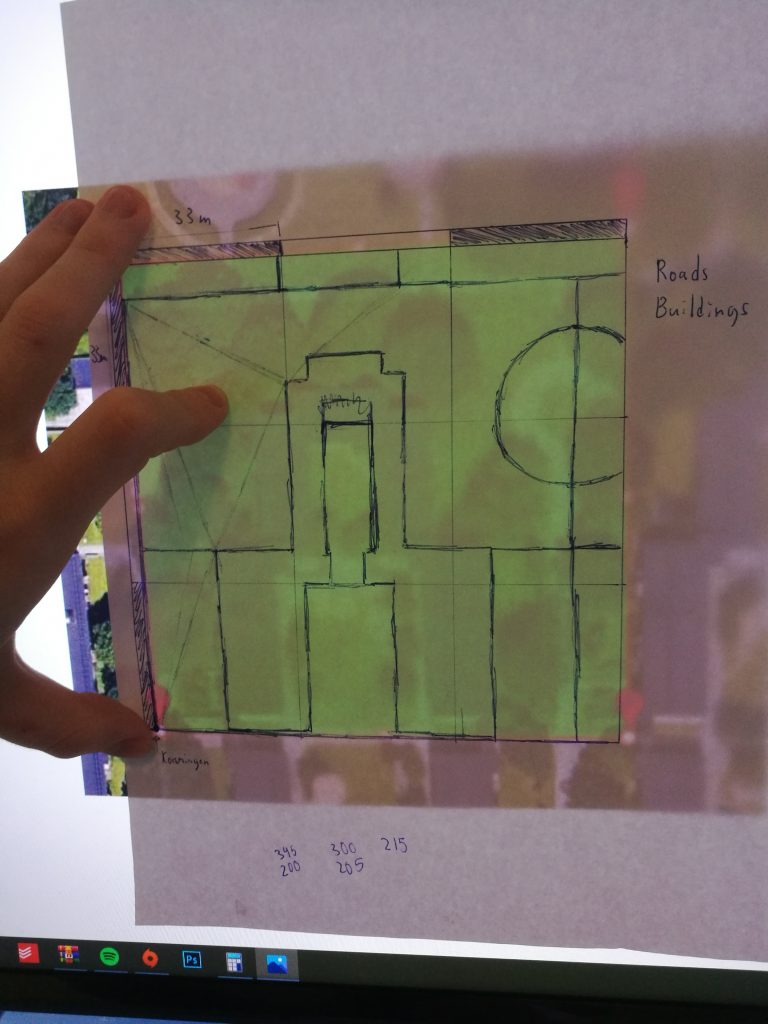
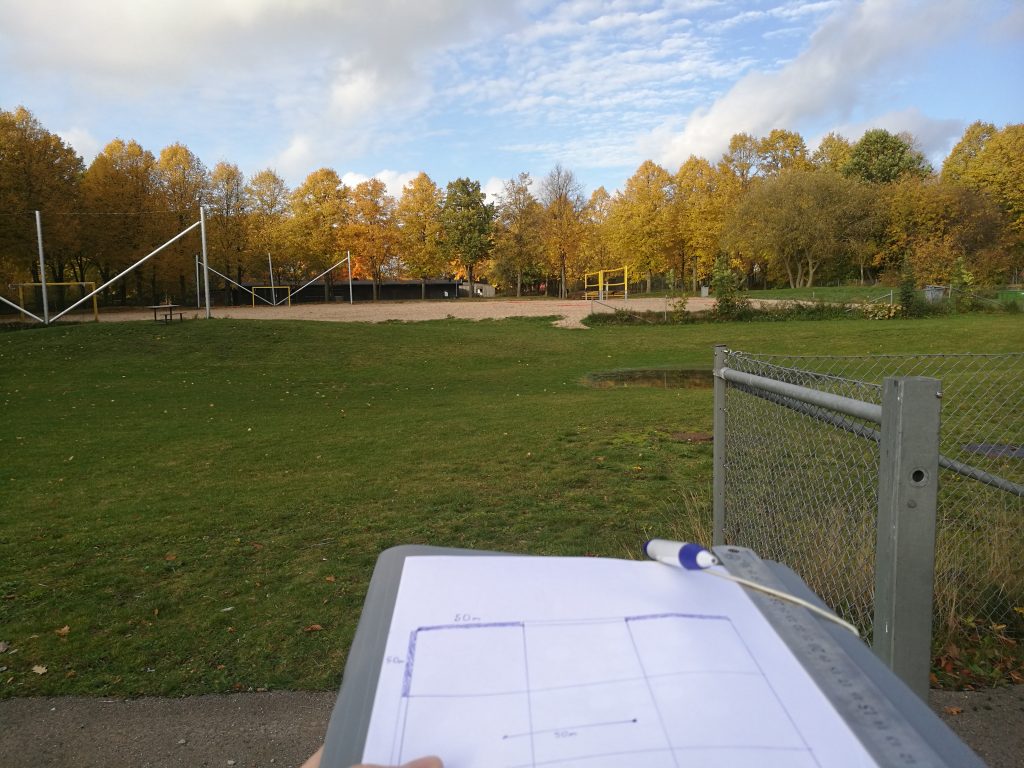
To see if the idea was viable to begin with, I first conducted a test in the real world with the help of a ruler and compass. I assigned a 100 x 100 m area near my home, marked two known points on the map and then went out to see if I could get an approximation of the layout of the surrounding area by measuring angles from a compass and comparing them on the map. Unfortunately I had access to neither a real compass nor angle ruler so I had to use smartphone apps which weren’t that accurate, but in the end I not only managed to make a map that had a resemblance to the real world but I also had fun doing it.

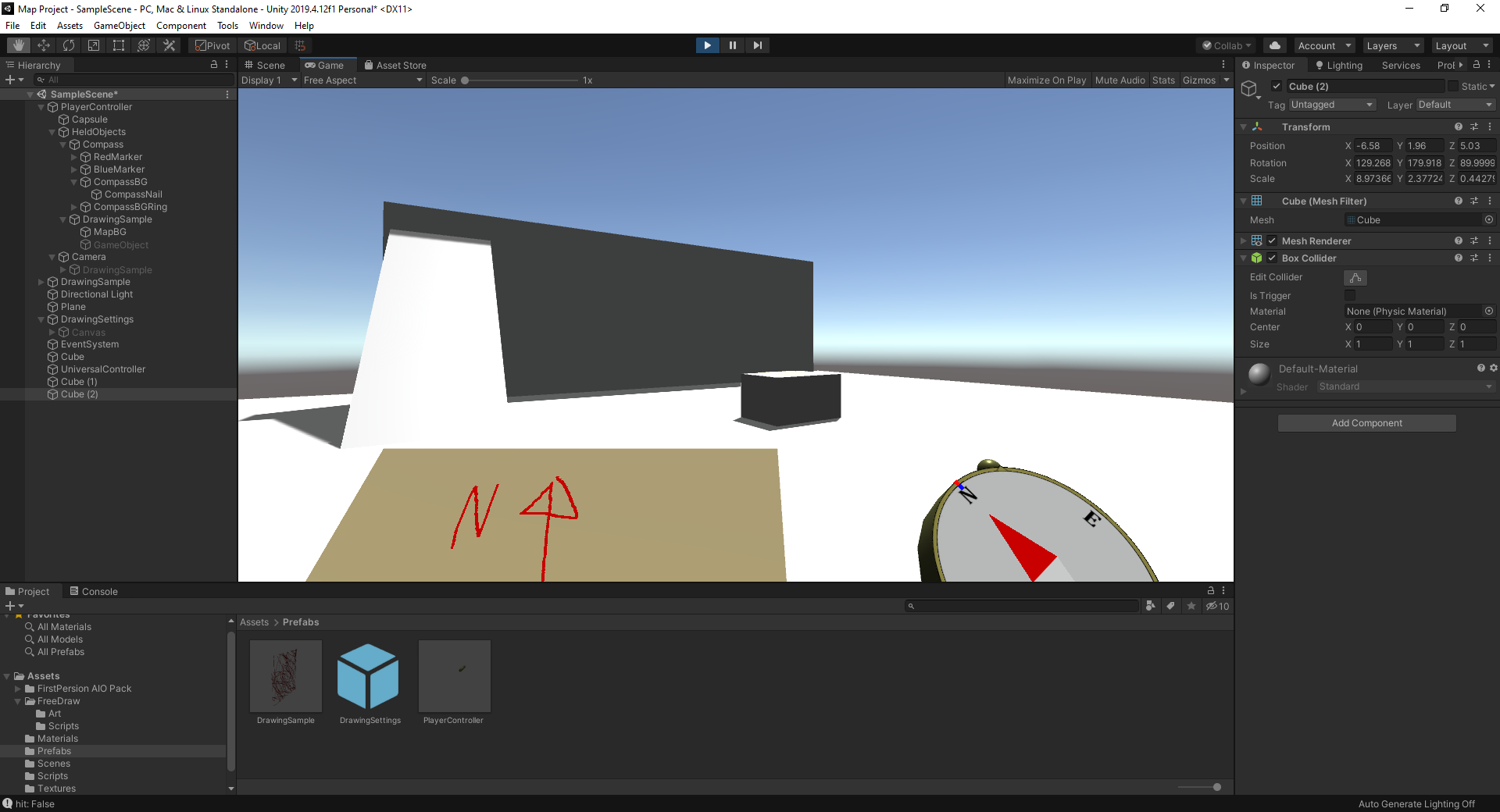
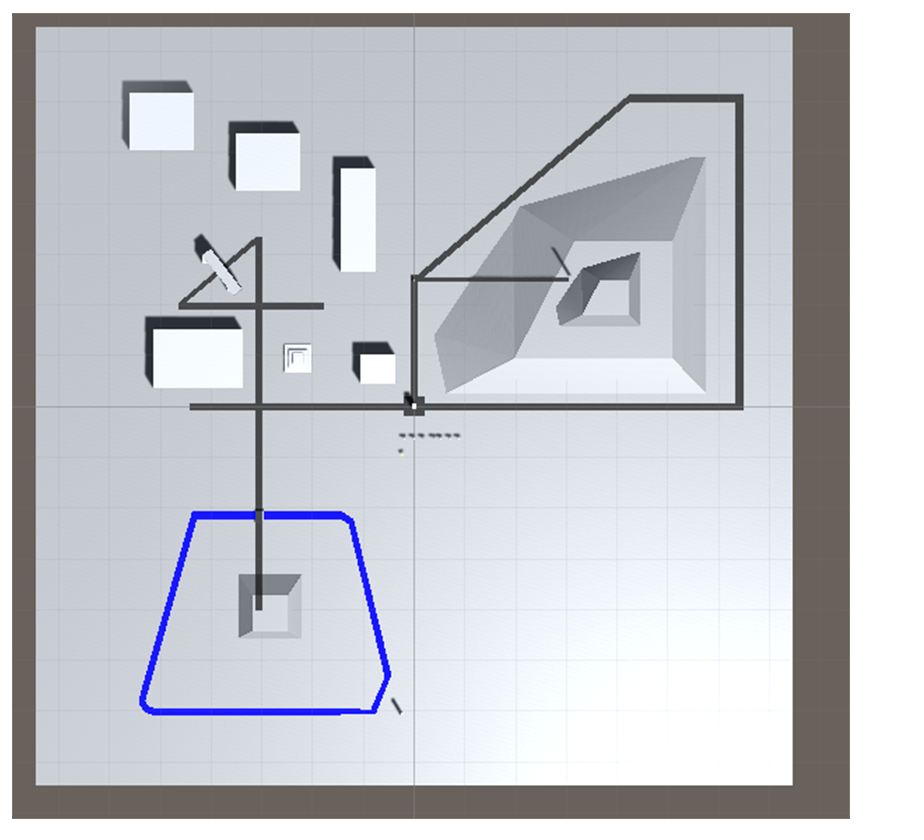
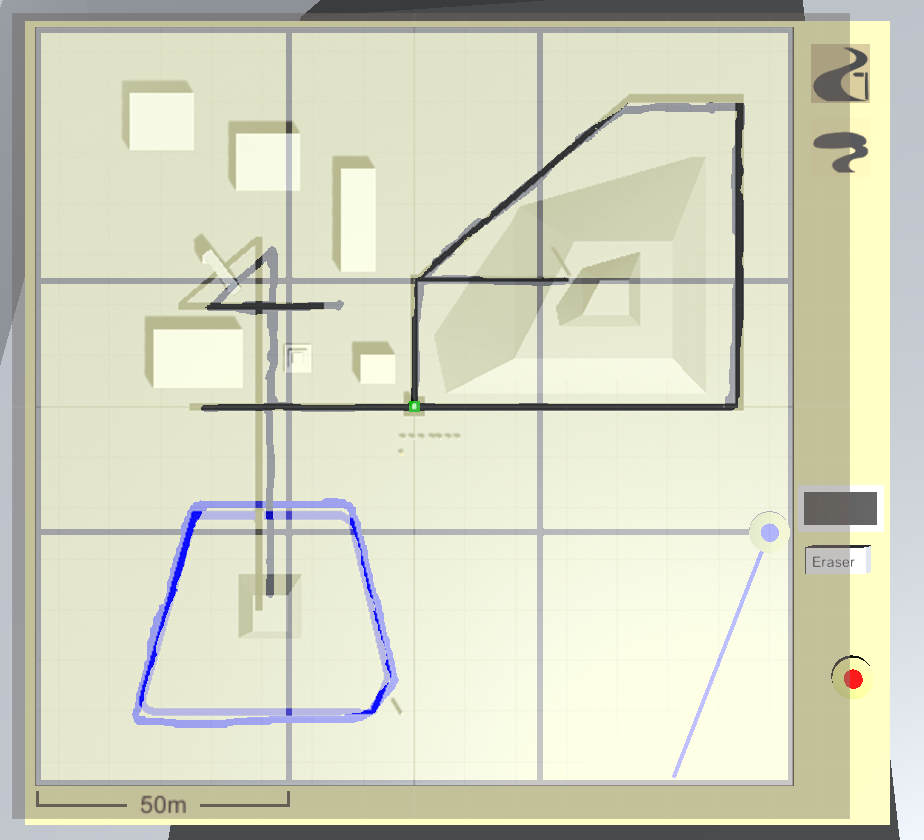
The next step was to create a prototype in Unity. Through the use of texture editing shaders, a simulated compass and sparse level design I recreated the real life test. The difficulty of mapping out areas could be made more or less complicated via several factors; adjusting the number of sightlines to known points, making complex pathways, hindering the player from walking to where they wanted to draw etc. I also hosted playtest sessions with my friends to see where the UI and UX could be improved. Sadly the project had to be dropped as the next university semester began.

Map Project still has potential and I’d like to revisit it in the future.

Skogstrippen

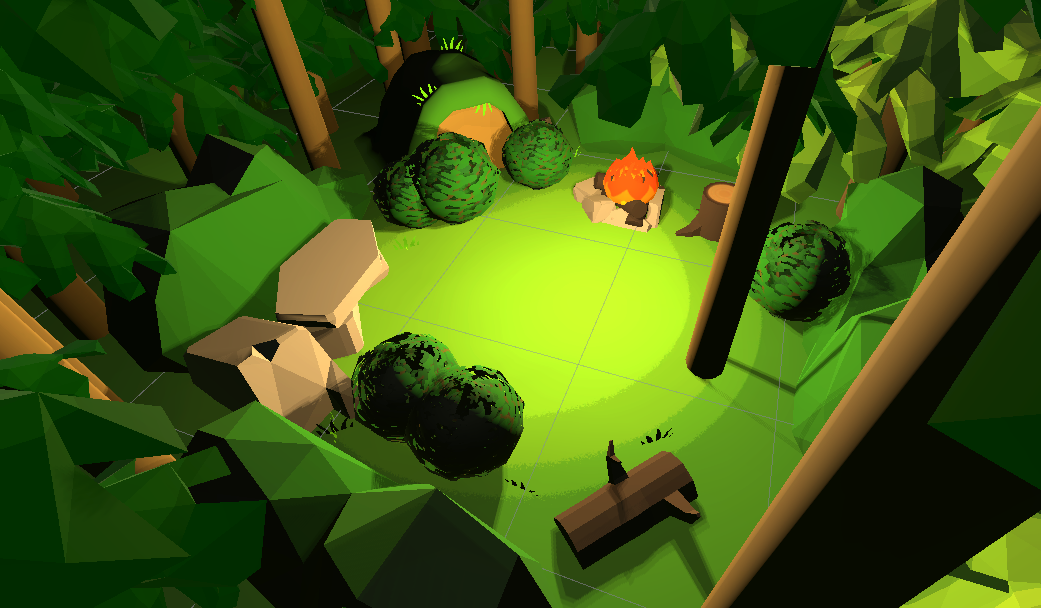
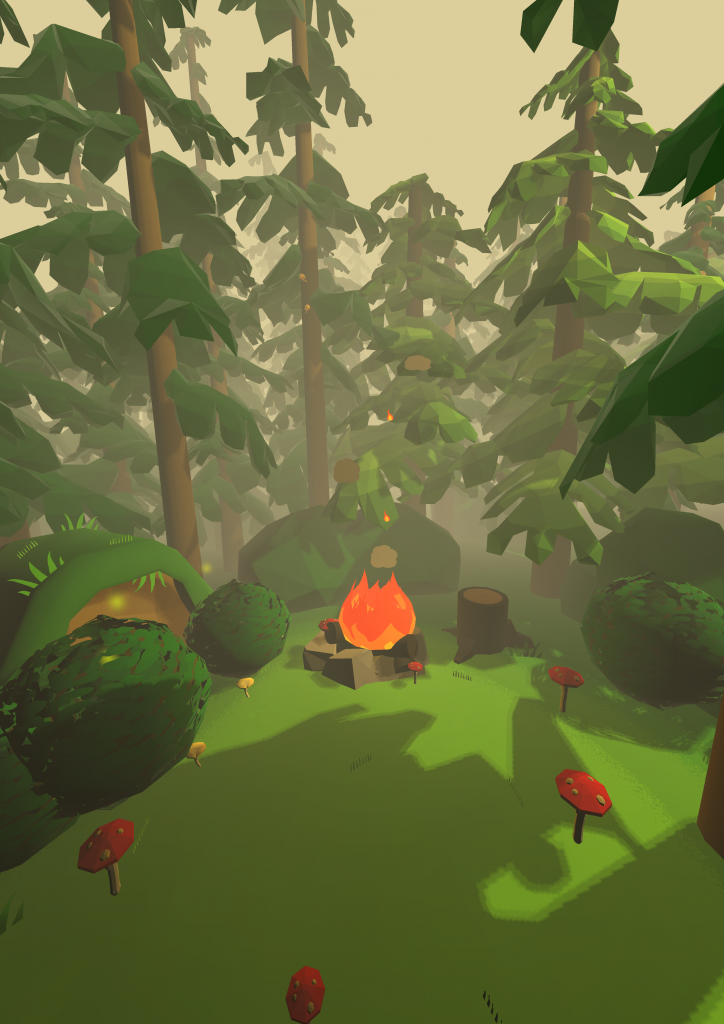
This was the final project produced in the VR course I took at Lund University. Our goal was to create some kind of virtual reality experience; my team decided on exploring a small glade with mushrooms that gave different effects. As my group consisted of 4 programming students (other than myself) I became responsible for modelling the level assets and the level design.

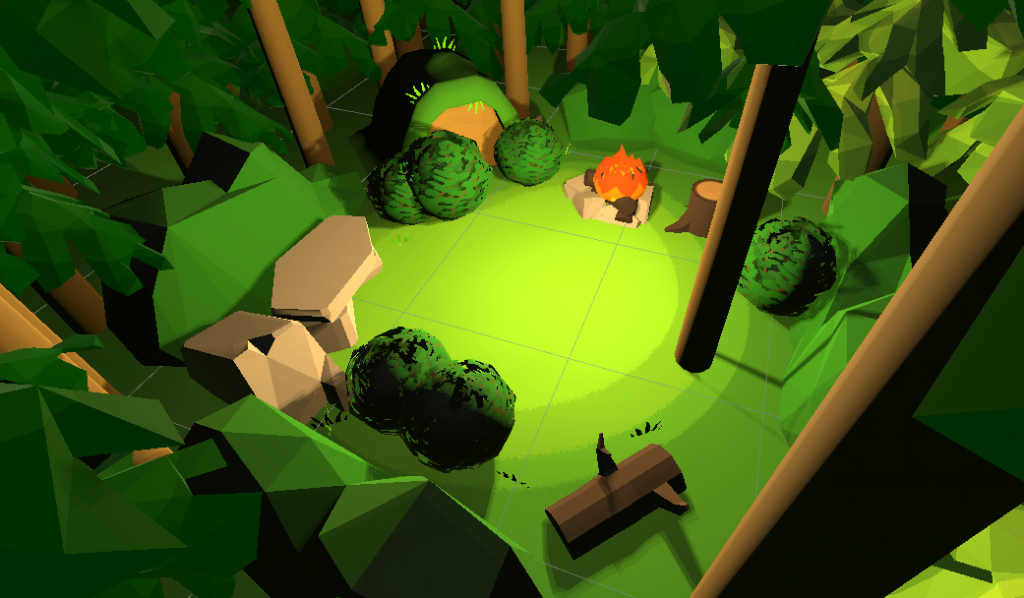
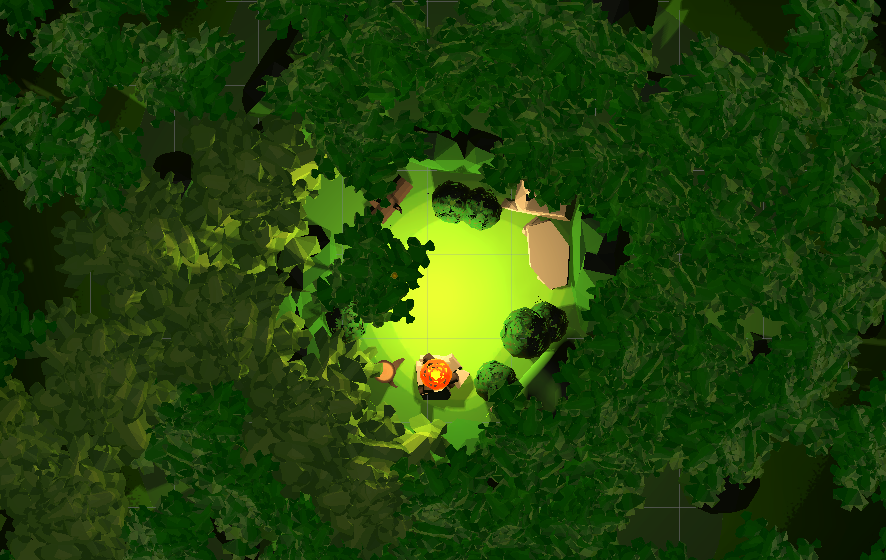
The glade was constructed with the limited VR space in mind (approximately 3×3 m for the headset we had access to), as we did not want to break immersion through teleport movement. Bushes and the ground pattern help inform what constitutes the edges of the glade, and as the player spawns in the middle it allowed certain mushroom spawn points to be hidden behind objects that the player would have to reach around to get.

Due to the limited time available for the project and the heavily weighted team composition, the gameplay and design unfortunately suffered. The low-poly style was chosen out of sheer necessity and sadly I could not spend as much time as I wanted on ensuring visual consistency. The lightheartedness of the project also ended up impacting certain design choices, like having unclear goals and poor player UX. Late-stage additions like the fog effect obscured work put into previous parts of the project.

The Lone Human

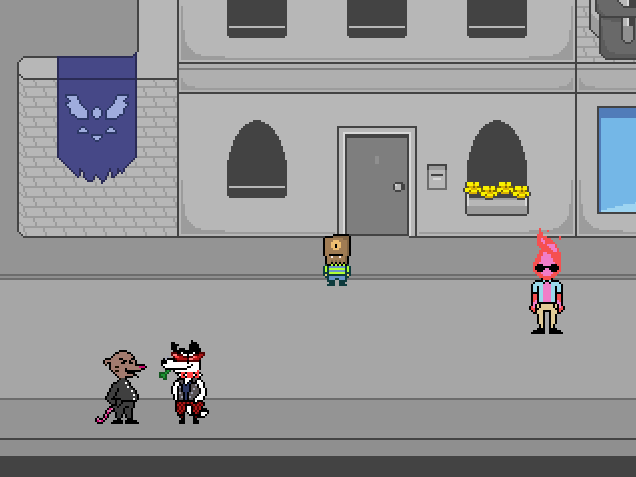
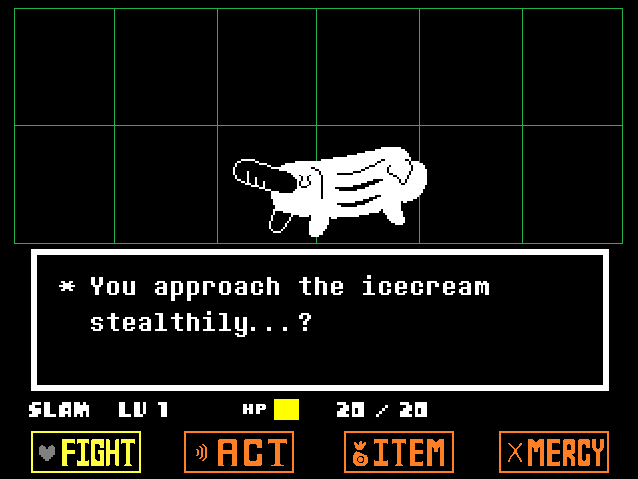
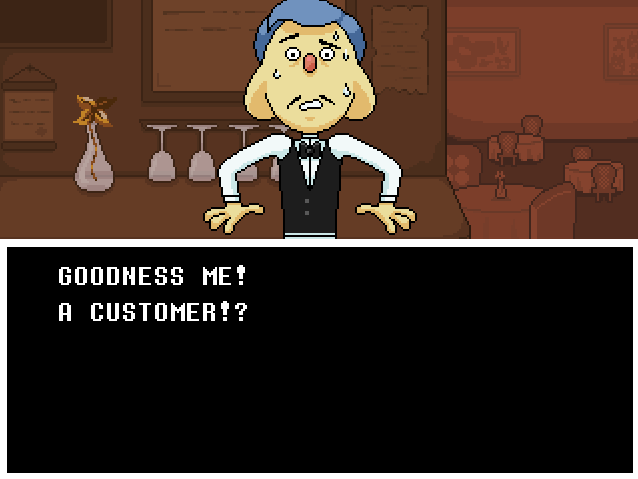
Undertale: The Lone Human was a fan project I started in 2016, to create a fan game of the popular indie title Undertale. At its height we were circa 8 developers working, with programmers, artists, musicians and writers. The demo can be found here, feel free to give it a go!

It started as a simple hobby project in 2015, when after playing Undertale I wanted to try making my own framework matching the game as close as possible. After having recreated most vital functions of the game, including a battle system, leveling, music controller, animations, items & item management and so on, the natural next step would be to apply it in a project. After publishing my results on Reddit and Tumblr I managed to recruit several other fans of the game.

It was not easy transitioning from being a simple hobby programmer to a leading a whole team, but it was a very good learning experience and with the help of the other developers the quality of the project quickly rose.

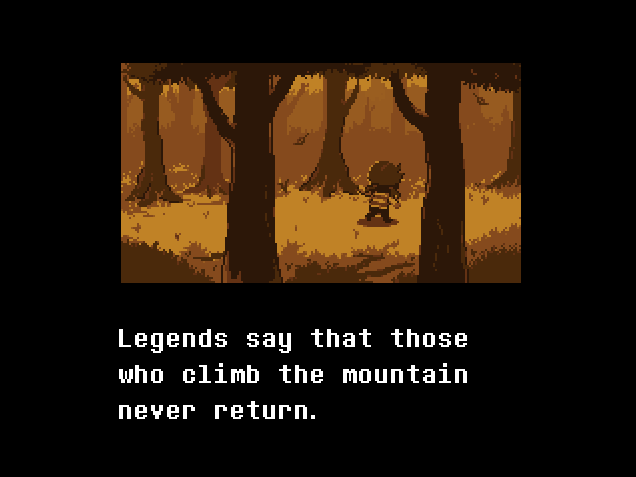
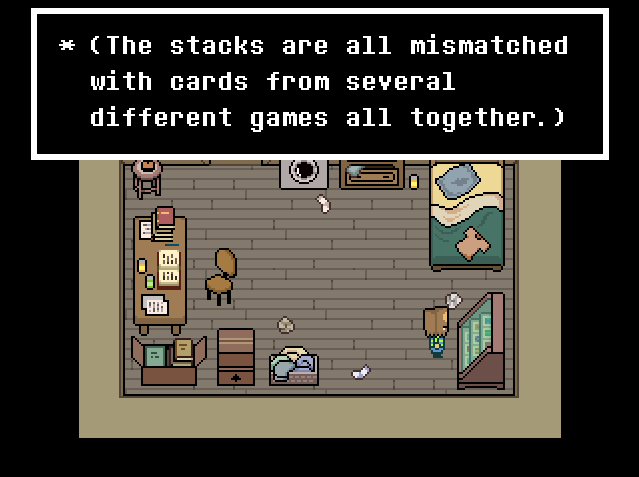
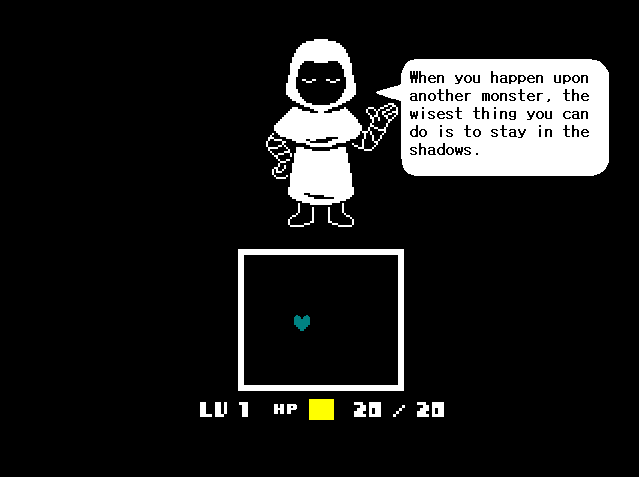
Unfortunately due to studies the game never reached full completion, but to preserve the game in some state and not discard the talented work by my co-developers, an “Endpack” was created; an unpolished demo that also shows unused art and music. The images below are screencaps from this demo.